
Feedback
AI Ad Video Example
Loading...
MiniMax H3 prompt
Craft a structured MiniMax H3 prompt that controls shot timing, camera movements, and sound design — delivering 2K clips with native stereo audio.
All Tools
Discover our comprehensive AI-powered animation toolkit
MiniMax H3
MiniMax H3 AI Video Generator
Seedance 2.5
The Future of AI Video Is Here.
Seedance 2.0
The Future of AI Video Is Here.
Kling 3.0
Next-Gen AI Video Generator
Grok Video Generator
Create Videos from Text or Images with AI
MiniMax H3 video generator
MiniMax H3 AI Video Generator
Seedance 2.0
The Future of AI Video Is Here.
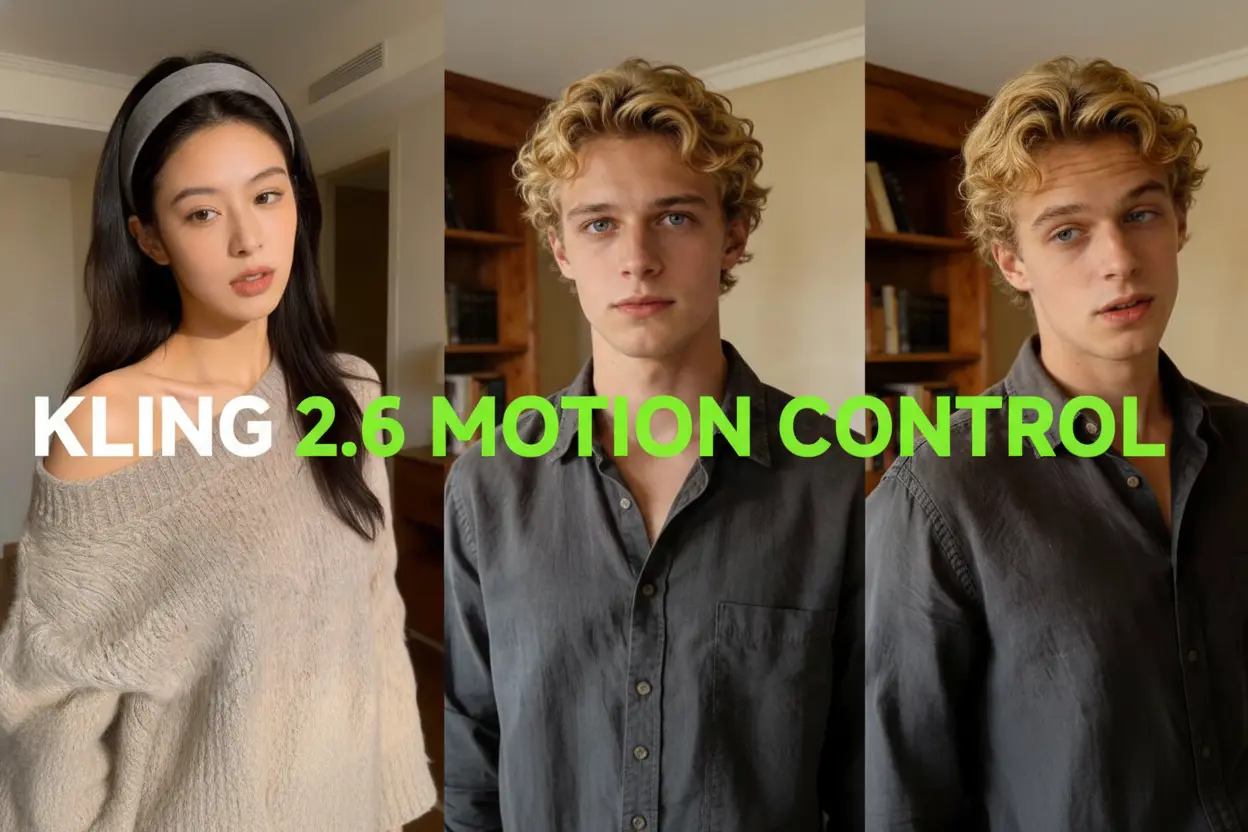
Kling Motion Control
Turn reference images into amazing motion videos in minutes
Unlock Full Control with a MiniMax H3 prompt
The MiniMax H3 prompt system walks you through crafting detailed instructions for an open-weight multimodal video model, delivering 5-to-15-second 2K clips at 24fps with native stereo audio. With up to 7,000 characters, you can assign roles to each reference asset, map timecoded shots, control camera language and sound design, and keep identity intact across every scene in a single submission.
- Role-Tagged Reference AssetsThe most effective MiniMax H3 prompt technique: explicitly state the purpose of every image, video, or audio input — whether for mood, talent, product, style, or voice.
- Shot Lists with TimecodesSplit multi-beat scenes into [0-2s] and [2-4s] blocks inside one MiniMax H3 prompt, preventing slide-show pacing and enabling a real narrative rhythm.
- Sound Direction with the Same Precision as VisualsDescribe music structure, sound effects, and voice cloning with the same care as the visuals in the MiniMax H3 prompt — including sub-bass, hi-hats, foley, and dialogue timing.
How to Compose a MiniMax H3 prompt
Build a polished MiniMax H3 prompt in four practical steps to unlock 2K video with synchronized audio.
Essential Methods for a MiniMax H3 prompt
A set of proven MiniMax H3 prompt approaches — reference roles, timecoded shot lists, sound direction, negative prompts, identity locking, and event-based transitions — enables precise, professional video generation.
Using Negative Directions
The MiniMax H3 prompt technique teaches you what to exclude — 'No soft dissolves', 'no garbled characters', 'no jump scares' — to keep the model away from unwanted output.
Keeping Identity Consistent Across Cuts
Preserve characters, products, and scenes by listing defining details in the MiniMax H3 prompt — hair, wardrobe, props, and typography stay consistent.
Localized Edits with Constraints
For editing tasks, pair each replacement with what must remain unchanged in the MiniMax H3 prompt — local edits instead of regenerating everything.
Cinematic Camera Language
Apply shot scale, lens behavior, exposure, and film characteristics — handheld shake, rack focus, wide-angle distortion, film grain — directly in the MiniMax H3 prompt.
Transitions That Feel Physical
Describe cuts as actions — whip movements, motion blur, optical smearing, exposure flicker — which works better than naming effects in the MiniMax H3 prompt.
Complete Control in 7,000 Characters
Fit an entire shot list plus sound design into one MiniMax H3 prompt — full scene, timed shots, audio, and constraints in a single request.
MiniMax H3 prompt — Answers to Common Questions
Quick, practical answers for anyone writing prompts on the MiniMax H3 video model.
What does the MiniMax H3 prompt guide cover?
It provides a set of best practices for prompting MiniMax's open-weight multimodal video model. The guide walks through reference role assignment, timecoded shot lists, audio direction, negative prompts, identity locking, and cinematic language to produce 2K video with native stereo audio.
What is the maximum length for a MiniMax H3 prompt?
You can use up to 7,000 characters — enough for a complete shot list with timed beats, camera moves, audio design, and constraints within a single MiniMax H3 prompt.
Can I use several reference images or audio files in one prompt?
Yes. Assign each asset a clear role in the MiniMax H3 prompt — 'Use Image 1 for mood, Image 2 for talent, Audio 1 for voice' — supporting up to 9 images, 3 video clips, and 3 audio files per request.
Is it necessary to describe sound in a MiniMax H3 prompt?
Yes — treat sound like a scene in the MiniMax H3 prompt. Describe music structure, instrument timing, foley details, and dialogue so the native audio generation matches the edit.
How can I make sure characters stay consistent across shots?
Lock identity by listing defining features — hair, wardrobe, props, and scene details — in the MiniMax H3 prompt, and preserve them across all timed beats and cuts.
Which mistakes should I avoid when writing a MiniMax H3 prompt?
Vague pacing and undesired styles. Use timecoded blocks instead of slide-show sequences, and add negative directions to the MiniMax H3 prompt to exclude unwanted elements.
Start Composing a MiniMax H3 prompt Today
Use the MiniMax H3 prompt method to produce 2K video with native stereo audio — combining timecoded shot lists, reference roles, cinematic camera language, and exact sound direction in one request.